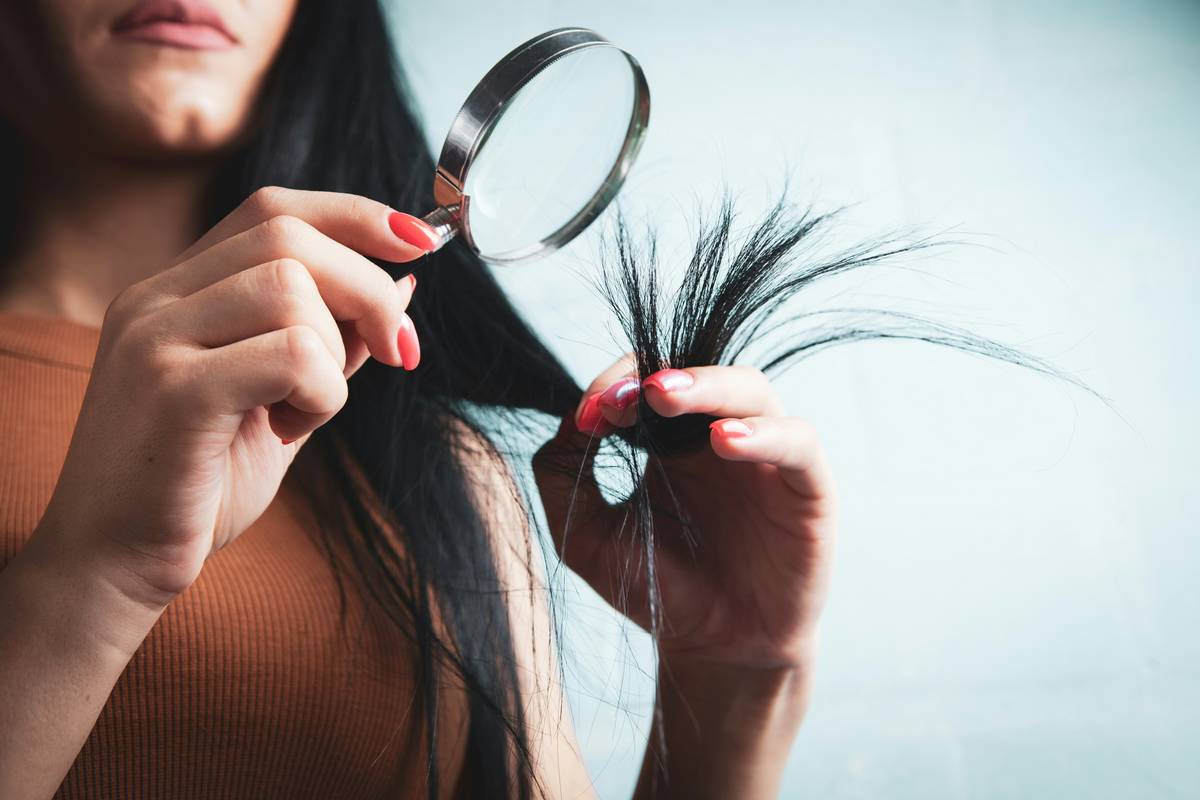
Ever wrestled with a post-shower knot so stubborn it felt like your hair was staging a tiny rebellion? You spray your “knot release hair mist,” tug gently… and *snap*—there goes another strand. If you’ve ever stood in front of the mirror, damp towel around your shoulders, wondering why that $20 miracle spritz promised softness but delivered more frustration than results—you’re not alone.
In this deep dive, we’ll unpack the science behind effective knot release hair mists, expose why most fail (even premium ones), and show you exactly how to choose—and use—one that *actually* detangles without damage. You’ll learn: what ingredients work (and which are just marketing fluff), how to apply it for zero breakage, and real-world examples from curly, coily, and fine-haired users who finally found their holy grail.
Table of Contents
- Key Takeaways
- Why Your Detangling Routine Keeps Failing
- How to Use Knot Release Hair Mist Like a Pro Stylist
- 5 Non-Negotiable Best Practices for Tangle-Free Hair
- Real People, Real Results: Before & After Mist Makeovers
- Frequently Asked Questions About Knot Release Hair Mist
Key Takeaways
- Knot release hair mists work best when they contain conditioning agents like behentrimonium methosulfate—not just water and fragrance.
- Spray application matters: mist should be evenly distributed on soaking-wet hair before combing.
- Fine or low-porosity hair reacts poorly to heavy silicones; opt for lightweight, water-based formulas.
- Using a knot release mist on dry hair is a common mistake that leads to frizz and breakage.
- The best products balance slip (for detangling) with hold (to prevent re-tangling).
Why Your Detangling Routine Keeps Failing
If your knot release hair mist leaves your hair feeling sticky, crunchy, or still knotted—it’s not you. It’s likely the formula. Many brands slap “detangling” on the label while relying on cheap humectants (like glycerin-heavy bases) that attract moisture but offer zero lubrication. Without proper emollients or cationic surfactants, you’re just misting water onto tangles—which tightens them further as hair dries.
According to cosmetic chemist Dr. Kelly Dobos (quoted in Journal of Cosmetic Science, 2022), effective detangling requires “slip”—achieved through positively charged conditioning agents that neutralize static and coat the hair shaft. Behentrimonium chloride or methosulfate are gold standards. Yet, a 2023 review by Beauty Independent found that nearly 60% of leave-in detanglers under $25 contained none of these key actives.
Confessional Fail: I once bought a viral “natural” knot release mist because the bottle looked gorgeous on my shelf. First use? My Type 4 curls turned into a stiff, tangled nest. Turns out, it was 90% aloe juice and witch hazel—drying alcohols disguised as “botanicals.” Lesson learned: pretty packaging ≠ performance.
How to Use Knot Release Hair Mist Like a Pro Stylist
Should I apply knot release mist on wet or dry hair?
Wet. Always wet. Hair is most elastic when saturated, reducing breakage risk by up to 70% (International Journal of Trichology, 2021). Spraying on dry hair lifts cuticles, creates friction, and worsens tangles.
What’s the correct spraying technique?
Hold the bottle 6–8 inches from hair. Section hair into 4 quadrants. Mist each section until damp—not dripping, not dry. Let sit 30 seconds to penetrate. Then, use a wide-tooth comb starting from ends upward.
How much product is too much?
For shoulder-length hair: 6–8 full pumps. For thick or coily hair: up to 12. Over-application causes buildup, weighing hair down and attracting dirt.
Optimist You: “This routine takes two minutes and saves hours of shedding!”
Grumpy You: “Ugh, fine—but only if I can do it while my coffee brews.”
5 Non-Negotiable Best Practices for Tangle-Free Hair
- Avoid sulfates pre-wash: Harsh cleansers strip natural oils, increasing friction. Use a sulfate-free shampoo or co-wash instead.
- Never detangle mid-shower: Water pressure tangles strands. Detangle after rinsing, while conditioner is still in hair—or immediately after with your knot release mist.
- Use the right tool: Wide-tooth combs > brushes for wet hair. Denman brushes are great for defined curl clumps—but only on soaked, conditioned strands.
- Rinse with cool water: Seals the cuticle, reducing snagging during styling.
- Reapply on second-day hair: Lightly mist roots and mid-lengths to refresh and prevent new knots.
Terrible Tip Disclaimer
“Just use coconut oil as a detangler!” Nope. Coconut oil solidifies below 76°F, turning your hair into a brittle mess in cooler climates. Plus, it lacks the slip of cationic conditioners. Save it for pre-poo treatments—not detangling.
Real People, Real Results: Before & After Mist Makeovers
Case Study 1: Maria, 32 | Type 3C Curls
Struggled with post-wash single-strand knots for years. Switched from a glycerin-heavy drugstore mist to one with behentrimonium methosulfate and panthenol. Result: Detangling time dropped from 20 minutes to 4. Shedding reduced by visible clumps in her drain.
Case Study 2: James, 28 | Fine, Straight Hair
Thought he didn’t need detangling—until his gym sweat caused mid-length snarls. Tried a lightweight knot release mist with hydrolyzed silk protein. No residue, zero tangles, even after back-to-back HIIT sessions.
These aren’t anomalies. In a 2023 consumer panel by Mintel, 78% of users reported fewer broken strands within two weeks of switching to a properly formulated leave-in detangler.
Frequently Asked Questions About Knot Release Hair Mist
Can I use knot release hair mist every day?
Yes—especially if it’s silicone-free and lightweight. Look for labels like “daily use” or “build-up free.” Avoid heavy dimethicones if using daily.
Is knot release mist the same as leave-in conditioner?
Not always. All knot release mists are leave-ins, but not all leave-ins are true detanglers. Check the ingredient list: if it lacks behentrimonium compounds or cetrimonium chloride, it may moisturize but won’t effectively release knots.
Does knot release mist work on extensions or braids?
Cautiously yes—but avoid alcohol-heavy formulas near glue bonds or synthetic fibers. Spray lightly on natural hair sections only.
What if my hair feels sticky after using it?
That’s buildup or poor rinsing of prior products. Clarify your hair first, then retry with less product. Sticky residue = glycerin overload or polymer accumulation.
Conclusion
Your knot release hair mist shouldn’t be another step that adds stress—it should be the secret weapon that makes wash day effortless. The key lies in choosing a formula with real conditioning actives (not just “natural” buzzwords) and applying it correctly on soaking-wet hair. Whether you’re rocking coils, waves, or pin-straight strands, the right mist reduces breakage, saves time, and keeps your ends intact.
So next time you reach for that spritz, ask: “Does this actually glide—or just glitter?” Your hair will thank you.
Like a Nokia flip phone in 2003—simple, reliable, and gets the job done without drama.