
Frizzy, knotted hair that snaps the second you run a brush through it? You’re not alone—and most detangling sprays just coat strands without solving the real issue. But what if the key isn’t more product… but smarter chemistry?
Why Most Detangling Sprays Fail Miserably
Detangling sounds simple—slip knots loose, add shine, call it a day. Yet most formulas rely on heavy silicones or waxes that sit on the surface. They mask tangles until your next wash… then the cycle repeats.
Worse? They build up. And buildup kills moisture absorption—the very thing dry, coiled, or color-treated hair desperately needs. You’re soothing symptoms while starving your strands.
The flaw isn’t intent—it’s ingredient intelligence.
How to Use a Smooth Detangler Mist Like a Pro
Forget slathering product and hoping for the best. Precision matters. Here’s how top stylists—and now you—get tangle-free results without compromising hair health.
Know Your Hair’s Porosity First
Low-porosity hair repels water (and product). High-porosity hair gulps it but leaks moisture fast. Using a smooth detangler mist blindly guarantees waste—or worse, residue.
Do the float test: Drop a clean strand in water. Sinks fast = high porosity. Floats = low. Adjust mist application accordingly.
Spray Strategically, Not Generously
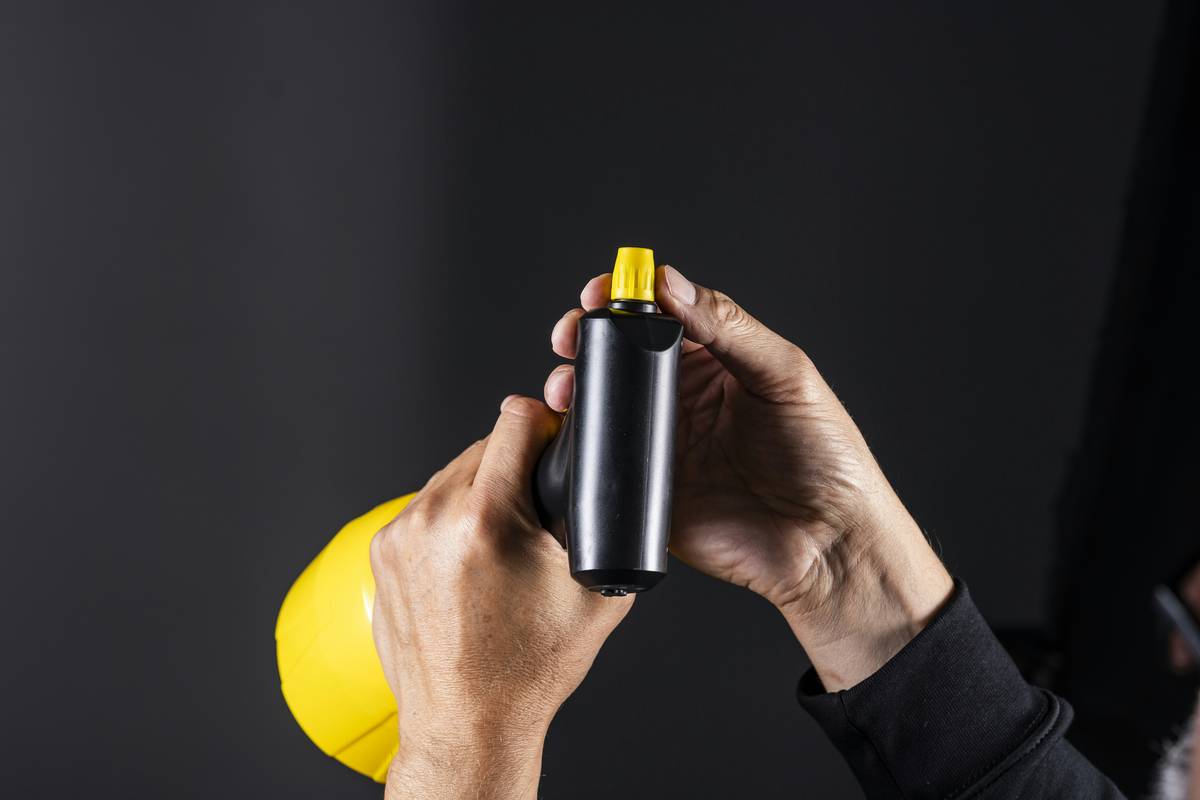
Holding the bottle 6–8 inches away, target mid-lengths to ends—not roots. Roots don’t tangle; friction zones do. Two to four spritzes per section is plenty for shoulder-length hair.
Less is more. Over-saturating creates hygral fatigue—repeated swelling/shrinking that weakens fibers over time.

Comb, Don’t Brush—And Start Below the Knot
Wide-tooth combs distribute tension evenly. Brushes yank. Begin detangling 2 inches below a knot, gently working upward. Rushing this shreds cuticles.
Patience here prevents split ends later. Always.
| Detangling Method | Best For | Risk of Buildup | Long-Term Results |
|---|---|---|---|
| Heavy silicone serums | Coarse, thick hair (short-term) | High | Dryness after 3–5 washes |
| DIY oil/water mixes | Curly, low-porosity types | Medium | Inconsistent slip; prone to separation |
| Smooth detangler mist (lightweight, humectant-based) | All textures, especially fine or color-treated | Low | Improved manageability + moisture retention |
The Industry Secret: Humectants Beat Silicones Every Time
Here’s what R&D labs won’t advertise: silicones create a false sense of smoothness. They fill cracks temporarily—but never nourish. Real detangling happens when hair fibers relax enough to glide past each other.
Enter humectants like glycerin, honeyquat, and panthenol. They draw ambient moisture into the cortex, plumping strands from within. Plump hair = fewer snags. It’s physics, not magic.
But—and this is critical—they must be balanced. Too much glycerin in dry climates pulls water out of your hair. That’s why the best smooth detangler mist formulas pair humectants with light emollients (like jojoba esters) to seal without suffocating.
Frequently Asked Questions
Can I use a smooth detangler mist on dry hair?
Yes—but sparingly. Focus on split ends or flyaways. Overuse on dry hair can cause frizz in humid conditions due to humectant activity.
Is smooth detangler mist safe for color-treated hair?
Absolutely. Lightweight, alcohol-free mists preserve color integrity better than heavy creams or sulfates. Just avoid anything labeled “clarifying.”
How often should I apply it?
Every time you detangle—post-wash or midweek refresh. Daily use is fine if your formula avoids drying alcohols or heavy polymers.