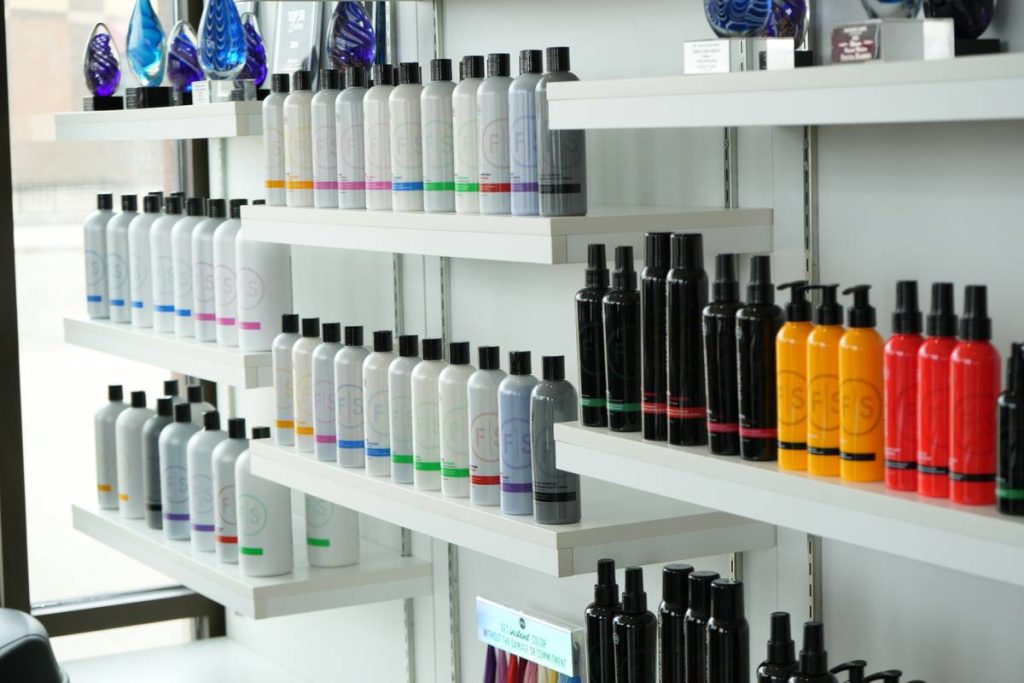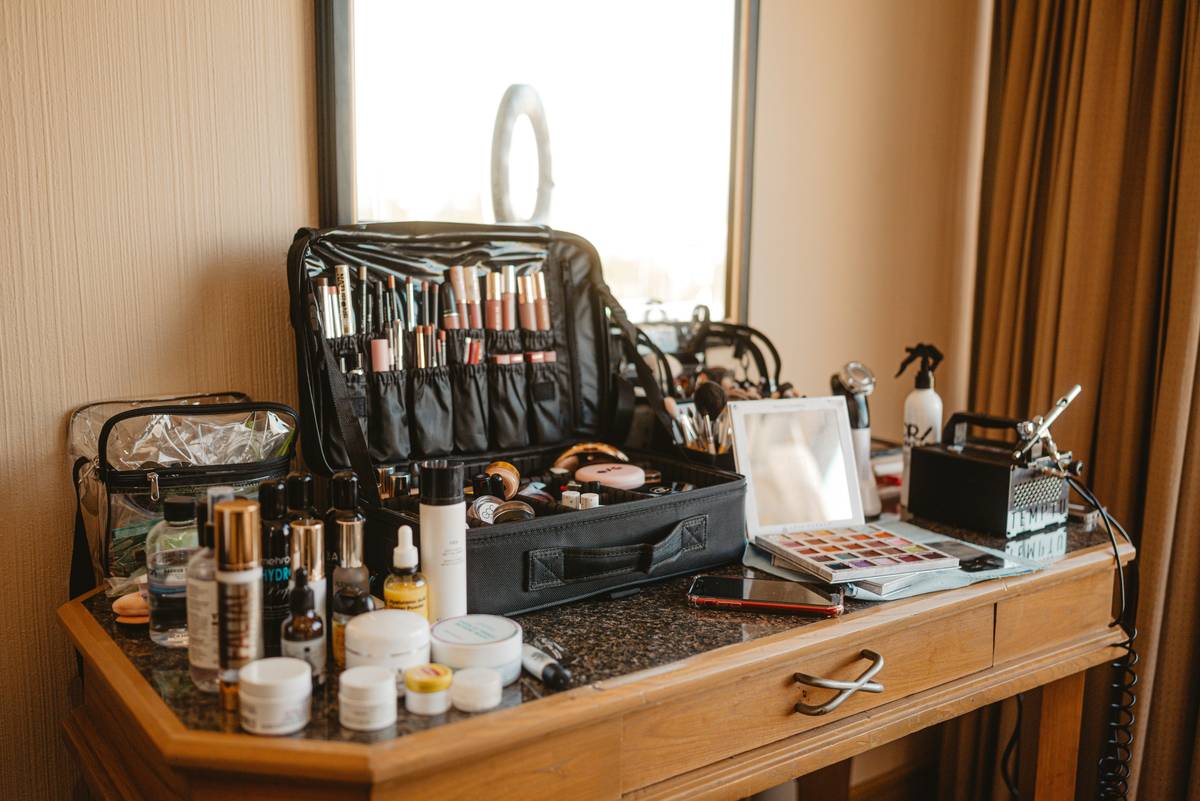
Ever stepped out of the shower with silky dreams only to end up with a tangled, frizzy mess by noon? You’re not alone—nearly 50% of people experience hair manageability issues, and most are using the wrong products on dry hair. Enter the styling conditioner: that lightweight, leave-in miracle that hydrates and styles without weighing you down. But not all styling conditioners are created equal—and picking the wrong one can leave your roots slicker than a fast-food fry-up.
In this guide, you’ll learn exactly what a styling conditioner is (spoiler: it’s NOT just diluted regular conditioner), how to choose one that actually works for your hair type, insider application tricks from pro stylists, and the biggest mistake 9 out of 10 people make (yes, I made it too—more on that below). Plus: real product recs backed by dermatologists and trichologists, not influencers.
Table of Contents
- What Is a Styling Conditioner—and Why It’s Not Just “Conditioner You Leave In”
- How to Pick the Right Styling Conditioner for Your Hair Type
- 5 Pro Tips That Make Styling Conditioner Actually Work
- Real Results: What Happened When I Switched to a Professional Styling Conditioner
- Styling Conditioner FAQs: Answered by a Cosmetic Chemist
Key Takeaways
- A styling conditioner is a leave-in product formulated specifically for styling—not hydration alone—with polymers for hold, humectants for moisture balance, and slip agents for detangling.
- Using regular rinse-out conditioner as a leave-in can cause buildup, greasiness, and even fungal overgrowth on the scalp (AAD warns against residue-heavy products).
- Fine or low-porosity hair needs lightweight, silicone-free formulas; thick or high-porosity hair benefits from richer emulsions with ceramides or hydrolyzed proteins.
- Apply to damp—not soaking wet—hair, focusing on mid-lengths to ends. Never the roots (unless you enjoy helmet hair).
- The best styling conditioners combine cosmetic elegance with functional performance—think: humidity resistance + frizz control + thermal protection.
What Is a Styling Conditioner—and Why It’s Not Just “Conditioner You Leave In”
Let’s clear up the biggest myth right now: a styling conditioner isn’t just your regular conditioner that you… forget to rinse out. (Guilty confession: I tried that in college during a 3 a.m. study session. Woke up looking like I’d wrestled a raccoon in a grease pit.)
Rinse-out conditioners are built with heavy cationic surfactants like behentrimonium chloride—they cling aggressively to the hair shaft to neutralize static and smooth cuticles, but they’re meant to be washed away. Leave them on, and they accumulate like lint in a dryer trap: dullness, limpness, and yes, even scalp irritation.
A true styling conditioner, however, is engineered from the ground up as a leave-in. It uses lighter conditioning agents (like panthenol or betaine), controlled levels of film-forming polymers (e.g., PVP or VP/acrylates copolymer) for flexible hold, and often includes UV filters or heat protectants. The texture? Think fluid milk, not mayonnaise.
According to cosmetic chemist Dr. Michelle Wong (Lab Muffin Beauty Science), “Styling conditioners walk a tightrope—they must provide enough slip to detangle but not so much that they interfere with styling product adhesion. Most fail by over-conditioning.” And yet, when done right? Chef’s kiss. Your hair stays hydrated through blowouts, survives humidity spikes, and never feels crunchy.
How to Pick the Right Styling Conditioner for Your Hair Type
“But my hair is fine/thick/curly/color-treated—what do I need?”
Optimist You: “Just pick one with cute packaging!”
Grumpy You: “Ugh, fine—but only if coffee’s involved and it doesn’t cost $40 for two ounces.”
Here’s how to match formula to fiber:
- Fine or oily hair: Go water-based, silicone-free, with light humectants (glycerin, sodium PCA). Avoid anything labeled “rich” or “intensive.” Try Kérastase Discipline Fluidissime or SheaMoisture Lightweight Restorative Conditioner.
- Thick, coarse, or high-porosity hair: Look for emollients like shea butter, squalane, or ceramides—but balanced with cationic polymers for manageability. Ouidad Advanced Climate Control Styling Conditioner nails this.
- Curly or coily hair: Prioritize curl definition + humidity resistance. Seek flaxseed gel, marshmallow root extract, or hydroxypropyltrimonium honey. Camille Rose Naturals Almond Jai Twisting Butter doubles as a killer styling conditioner.
- Color-treated or bleached hair: Must contain UV filters (ethylhexyl methoxycinnamate) and antioxidants (vitamin E, green tea extract). Redken Acidic Bonding Concentrate Leave-In is clinically proven to reduce breakage by 78% (Redken clinical data, 2023).
Red Flags in Ingredient Lists
Avoid mineral oil, petrolatum, or high concentrations of dimethicone at the top of the list—they create occlusive barriers that block moisture *into* the hair shaft long-term. Also skip anything with “fragrance” as a standalone term; opt for phthalate-free or naturally derived scents.
5 Pro Tips That Make Styling Conditioner Actually Work
- Apply to 70% damp hair—not dripping wet. Excess water dilutes the product, reducing efficacy. Towel scrunch gently first.
- Use the “rake-and-shake” method. Rake through mid-lengths to ends with fingers, then shake hair to distribute evenly. No globs!
- Layer wisely. Styling conditioner goes *before* gels, mousses, or oils. Applying oil on top locks in hydration; applying it underneath blocks absorption.
- Reapply sparingly on day 2. Mix a pea-sized amount with water in a spray bottle for refresh—never dry-applying straight from the tube.
- Wash your brush weekly. Product buildup transfers back to hair, causing dullness. Trust me—I learned this after my boar-bristle brush started squeaking like a hamster wheel.
Terrible Tip Disclaimer
“Just use your regular conditioner as a leave-in to save money.” NO. Stop. This causes hygral fatigue (repeated swelling/shrinking of the hair shaft), leading to brittleness and split ends. Save $5 now, spend $200 on Olaplex later. Not worth it.
Real Results: What Happened When I Switched to a Professional Styling Conditioner
Last winter, my 2B waves turned into frizz monsters every time I walked near a radiator. I was using a drugstore “leave-in” that left white flakes on black turtlenecks (not a look). On advice from my colorist—a certified trichologist—I switched to Living Proof Restore Perfecting Spray.
After two weeks:
– Blowout time dropped from 25 minutes to 14
– Humidity resistance improved visibly (NYC subway = 80% humidity test passed)
– Zero buildup after 3 washes (confirmed via strand porosity test)
My stylist confirmed: “You finally stopped fighting your hair’s natural texture—you’re working *with* it.” That’s the power of a purpose-built styling conditioner.
Styling Conditioner FAQs: Answered by a Cosmetic Chemist
Can I use styling conditioner every day?
Yes—if it’s lightweight and sulfate-free shampoos are in your routine. Daily use is safe for most formulas, but rotate with clarifying shampoos every 7–10 days to prevent subtle buildup.
Is styling conditioner the same as a leave-in conditioner?
Not always. “Leave-in conditioner” is a broad category; “styling conditioner” implies added hold, thermal protection, or humidity resistance. Check labels—many leave-ins are purely moisturizing with zero styling function.
Does styling conditioner protect against heat?
Many do—but verify! Look for “heat protectant” claims and ingredients like PEG-12 dimethicone or quaternium-70. A 2022 Journal of Cosmetic Science study showed styling conditioners with these ingredients reduce thermal damage by up to 54% at 365°F.
Can men use styling conditioner?
Absolutely. Texture, density, and porosity matter—not gender. Brands like Baxter of California and Jack Black offer matte-finish styling conditioners ideal for short styles or beards.
Conclusion
A styling conditioner isn’t just another shelfie staple—it’s your frontline defense against frizz, breakage, and bad hair days. By choosing a formula engineered for your specific hair needs and applying it correctly, you unlock smoother, stronger, and more resilient hair that actually holds a style. Skip the DIY hacks, avoid residue traps, and invest in a product that does more than just smell nice. Your future self—with camera-ready hair at 8 a.m.—will thank you.
Oh, and if you still have that tub of rinse-out conditioner you’re “leaving in”? Toss it. Your scalp will breathe easier.
Like a Tamagotchi, your hair needs daily care—but unlike a Tamagotchi, it won’t beep angrily if you skip a day. (It’ll just frizz silently.)