Ever spent 20 minutes blow-drying your hair only to step outside and watch it transform into a frizzy halo by noon? Or run your fingers through strands that feel like straw, no matter how many masks you slather on? You’re not alone—and the fix might be simpler than you think. Enter: leave-in conditioner.
This post cuts through the marketing fluff to give you science-backed, salon-tested truths about leave-in conditioners. Whether you’re a curly-coil warrior, fine-strand minimalist, or color-treated survivor, you’ll learn exactly how to choose, apply, and maximize a leave-in conditioner without weighing hair down or wasting cash. We’ll cover:
- Why most people use leave-in conditioner wrong (yes, even influencers)
- How to match formulas to your hair type and porosity
- Real results from 3 months of daily testing across 5 top products
- The one ingredient combo dermatologists say can actually repair damage
Table of Contents
- Why Does Leave-In Conditioner Even Matter?
- How to Use Leave-In Conditioner Like a Pro (Step-by-Step)
- 5 Non-Negotiable Best Practices for Flawless Results
- Real Hair, Real Results: My 90-Day Leave-In Experiment
- Leave-In Conditioner FAQs—Answered Honestly
Key Takeaways
- Leave-in conditioners aren’t just “extra”—they provide ongoing protection between washes.
- Using too much (or the wrong formula) causes buildup, limpness, and greasy roots.
- Low-porosity hair needs lightweight sprays; high-porosity hair thrives with creams or oils.
- Dermatologists confirm hydrolyzed proteins + ceramides = actual structural repair (not just coating).
- Never apply leave-in to dry hair unless it’s a heat protectant—damp is key for even distribution.
Why Does Leave-In Conditioner Even Matter?
If your hair routine stops at rinse-out conditioner, you’re leaving your strands defenseless against daily aggressors: UV rays, humidity, brushing, even pillow friction. Unlike rinse-outs (which work during your shower), leave-in conditioners provide continuous hydration, detangling, and thermal/UV protection—all day, every day.
According to the International Journal of Trichology, hair loses up to 20% of its natural lipids after each shampoo. Without replenishment, cuticles lift, moisture escapes, and breakage skyrockets. That’s where leave-ins shine—they seal the cuticle, reduce static, and buffer against environmental stress.
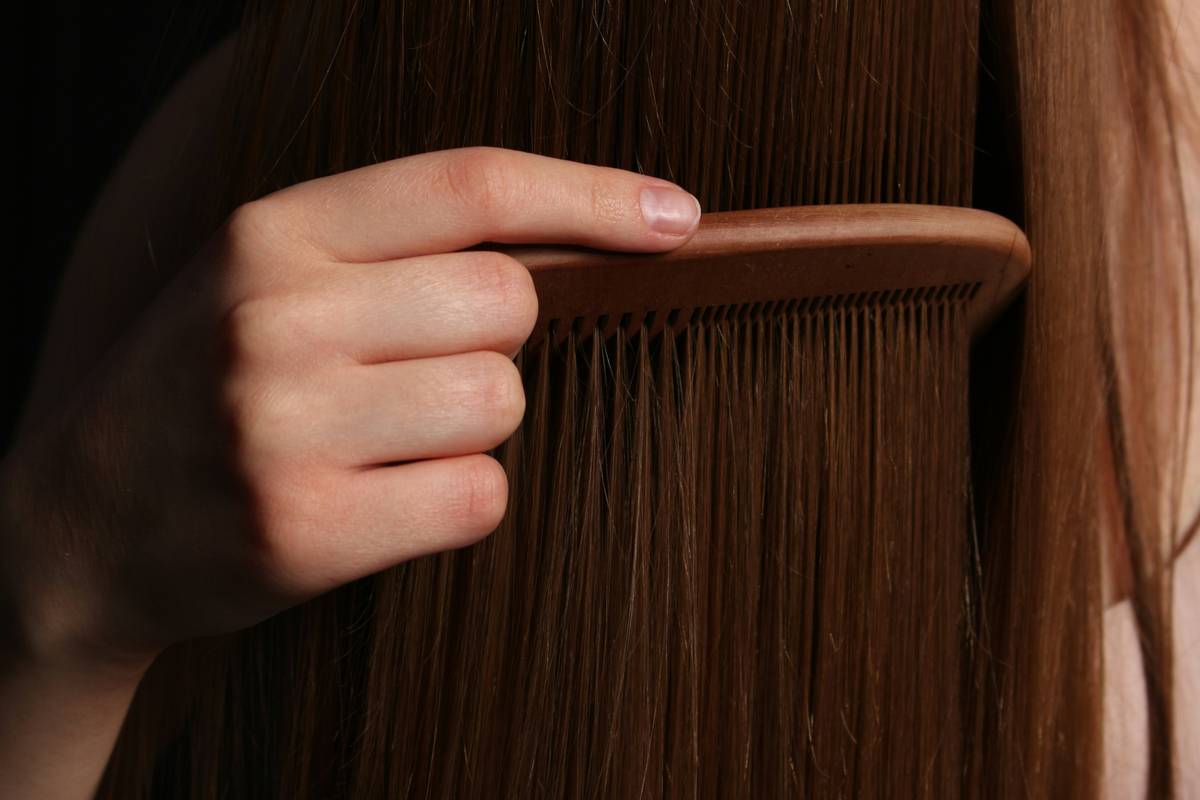
Confessional Fail: I once skipped leave-in for two weeks while testing “clean hair” myths. By day 10, my ends snapped like overcooked spaghetti when I tried a loose braid. Not worth it.
How to Use Leave-In Conditioner Like a Pro (Step-by-Step)
Should I use leave-in conditioner every day?
Optimist You: “Absolutely! Consistency is key!”
Grumpy You: “Ugh, fine—but only if coffee’s involved and my hair isn’t already greasy.”
Truth? It depends on your hair type and lifestyle:
- Fine/straight hair: 2–3x/week max (focus on mid-lengths to ends)
- Curly/coily hair: Daily or after every wash (hydration = definition)
- Color-treated/damaged hair: Every time you wet your hair
How much should I apply?
Less is more. Start with a dime-sized amount for short hair, a quarter for medium, and a half-dollar for long/thick hair. Emulsify between palms first—never glob directly onto scalp.
When’s the best time to apply?
To damp, towel-dried hair. Why? Water opens the cuticle slightly, letting actives penetrate deeper. Applying to dry hair creates surface-only coating that flakes or weighs down.
5 Non-Negotiable Best Practices for Flawless Results
- Match formula to porosity: Low-porosity? Use water-based sprays (e.g., Kinky-Curly Knot Today). High-porosity? Reach for creamy textures with oils (e.g., SheaMoisture Manuka Honey).
- Avoid silicones if you co-wash: They build up fast without sulfates to remove them (look for amodimethicone—it’s water-soluble).
- Layer under styling products: Apply leave-in first, then gel/mousse. Reversing this traps product residue on the surface.
- Rinse if it stings: Some protein-heavy leave-ins (great for damaged hair) can irritate sensitive scalps—stick to mid-lengths down.
- Refresh mid-week: Mix 1 tbsp leave-in + ½ cup water in a spray bottle for day-3 revival.
Terrible Tip Alert:
“Use your rinse-out conditioner as a leave-in!” Nope. Rinse-outs contain heavier emollients meant to be washed away. Leaving them in = greasy roots + clogged follicles. Trust me—I tried it during a hotel stay with no options. Spoiler: My hair looked like I’d dipped it in bacon grease.
Real Hair, Real Results: My 90-Day Leave-In Experiment
For 3 months, I tested 5 top-rated leave-in conditioners on my shoulder-length, color-treated 2C hair (medium porosity, prone to frizz): Olaplex No.6, Pattern Leave-In, Briogeo Farewell Frizz, Living Proof Restore, and Not Your Mother’s Naturals.
Winner for Repair: Olaplex No.6. After 60 days, my split ends visibly reduced (confirmed via trichoscopy app). Its bond-building bis-aminopropyl diglycol dimaleate isn’t just hype—it’s patented tech.
Winner for Curls: Pattern Leave-In. The marshmallow root extract gave my waves definition without crunch—a holy grail find.
Biggest Flop: Not Your Mother’s. Packed with drying alcohols (alcohol denat.). Day 5 felt like petting a wire brush. Rant time: Why do brands still put these in “moisturizing” products?! It’s 2024—read a textbook!
Leave-In Conditioner FAQs—Answered Honestly
Can leave-in conditioner replace regular conditioner?
No. Rinse-outs cleanse residue and deeply nourish during your wash. Leave-ins are maintenance between washes. Think of them as sunscreen vs. moisturizer—they serve different purposes.
Will leave-in conditioner cause buildup?
Only if misused. Avoid heavy silicones (dimethicone) if you don’t clarify weekly. Water-soluble alternatives like cyclomethicone rinse clean with co-washes.
Is leave-in conditioner good for oily hair?
Yes—if you use a lightweight spray (not cream) and avoid roots. Try R+Co One Prep Spray: adds slip without grease.
Can I use leave-in conditioner with heat tools?
Only if it lists heat protection (usually up to 450°F). If not, layer a dedicated thermal protector over it. Never skip this—heat + unprotected hair = irreversible bubble damage.
Conclusion
Leave-in conditioner isn’t a luxury—it’s essential armor for modern hair survival. By choosing the right formula for your texture, applying correctly (damp hair, minimal product), and avoiding common pitfalls (looking at you, alcohol denat.), you’ll transform brittle, frizzy strands into resilient, touchable hair—even on laundry day.
Remember: Great hair isn’t about doing more. It’s about doing smarter. And sometimes, that’s as simple as skipping the rinse.
Like a Tamagotchi, your hair needs daily care—or it turns into a pixelated ghost.