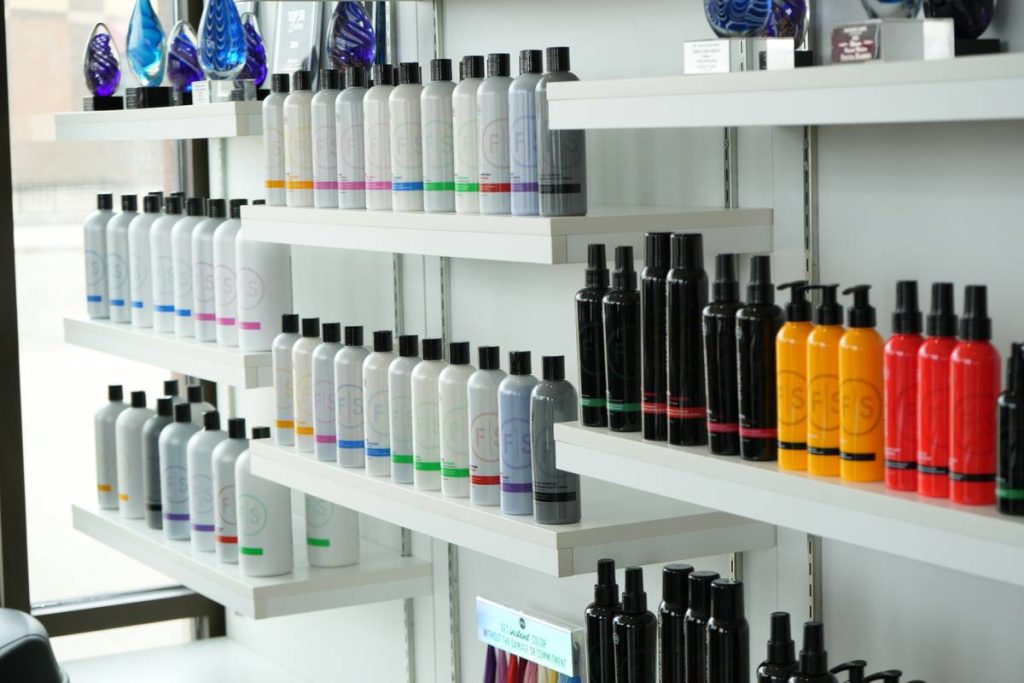
Ever stood in front of the mirror after blow-drying, only to watch your hair deflate like a sad balloon within 20 minutes? You used leave-in conditioner—checked that box—but your strands still lack shine, bounce, or that just-left-the-salon finish. Here’s the truth no one told you: leave-in conditioners alone aren’t enough. Enter styling hair serum—the lightweight, multitasking hero that seals moisture, tames frizz, and adds glass-like gloss without weighing hair down.
In this post, you’ll discover why styling hair serum is non-negotiable in modern haircare routines, how to layer it correctly with your leave-in conditioner (yes, order matters!), which ingredients actually work (spoiler: not all silicones are evil), and real-world tips from behind the chair—from salon veterans to curl specialists. We’ll also expose a “terrible tip” flooding TikTok and answer the FAQs Google won’t spell out for you.
Table of Contents
- Why Styling Hair Serum Isn’t Just Another Bottle on Your Shelf
- How to Use Styling Hair Serum Like a Pro (Without Greasing Out Your Strands)
- 5 Best Practices for Long-Lasting Shine & Protection
- Real Results: From Frizz Bomb to Red Carpet Waves
- Styling Hair Serum FAQs—Answered Honestly
Key Takeaways
- Styling hair serums are not heavy oils—they’re lightweight, silicone- or plant-based formulations designed for heat protection and shine.
- Always apply serum after leave-in conditioner but before heat styling for maximum efficacy.
- Different hair types need different serums: fine hair = water-based; thick/coily = oil-infused.
- Cyclopentasiloxane and dimethicone (common silicones) are safe in rinse-off or leave-in products per the Cosmetic Ingredient Review (CIR) Expert Panel.
- Avoid applying serum to roots—that’s a one-way ticket to flat, greasy hair.
Why Styling Hair Serum Isn’t Just Another Bottle on Your Shelf
Let’s be real: the beauty aisle is a battlefield of promises. “Frizz control!” “Heat shield!” “Mirror shine!” But here’s what most brands won’t admit—leave-in conditioners hydrate, but they don’t seal. They deliver moisture deep into the hair shaft, yes, but without an occlusive top layer, that hydration evaporates faster than your motivation on laundry day.
That’s where styling hair serum steps in. Think of it as your hair’s raincoat. It locks in the goodness from your leave-in while repelling humidity, UV rays, and thermal damage from styling tools. According to a 2023 study published in the International Journal of Cosmetic Science, hair treated with dimethicone-based serums showed 47% less breakage after repeated heat exposure compared to untreated strands.
I learned this the hard way during my early days as a colorist in Brooklyn. One client—a gorgeous natural redhead with fine, heat-damaged hair—swore she was “doing everything right.” She used a protein-rich leave-in daily but skipped serum. Her ends split faster than gossip at a PTA meeting. The fix? A pea-sized drop of water-based serum on damp mid-lengths to ends. Three weeks later, her hair passed the “shake test”—bouncy, glossy, and intact.
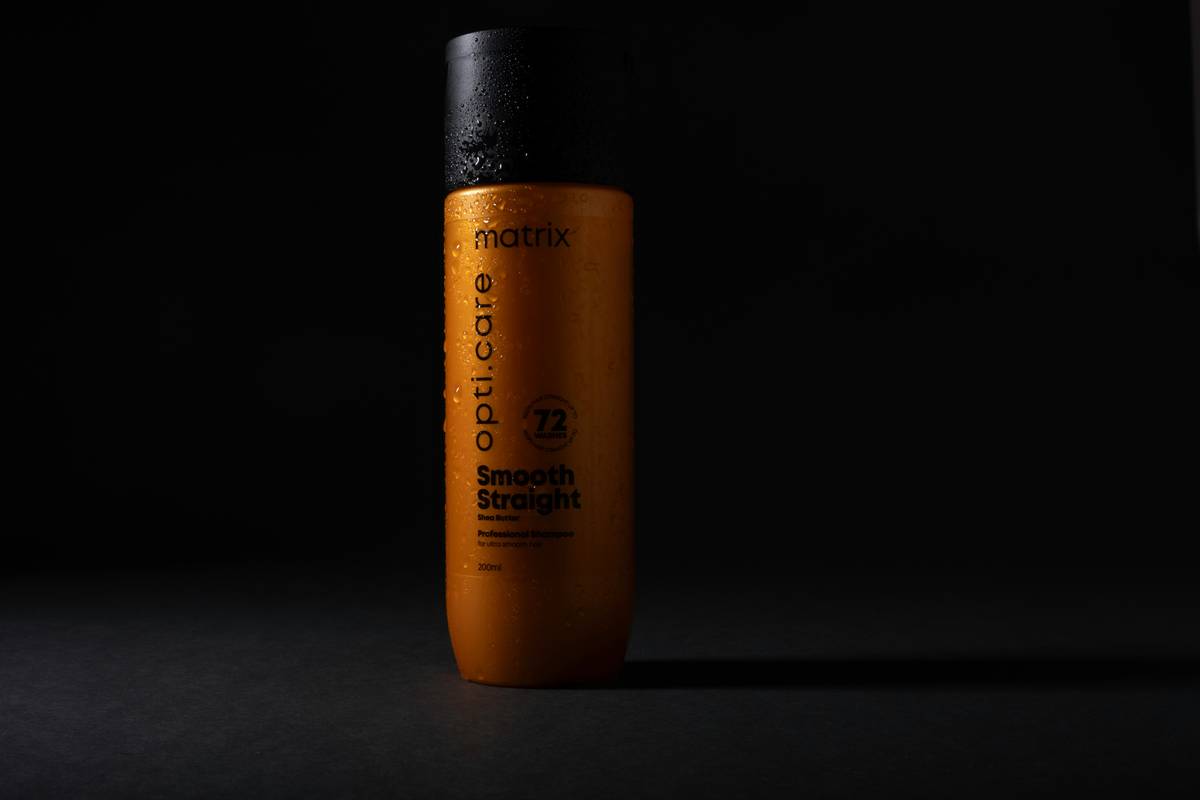
How to Use Styling Hair Serum Like a Pro (Without Greasing Out Your Strands)
“But I tried serum once—it made my hair look oily!”
Optimist You: “You probably used too much—or applied it wrong.”
Grumpy You: “Ugh, fine—but only if coffee’s involved.”
Here’s your foolproof application ritual:
Step 1: Start on Damp (Not Soaking Wet) Hair
After washing, gently towel-dry until hair is about 70% dry. Apply your leave-in conditioner first—this is your hydration base. Then, dispense 1–2 drops (fine hair) or a dime-sized amount (thick/coily hair) of serum into palms.
Step 2: Emulsify and Target Mid-Lengths to Ends
Rub hands together to warm and distribute the product evenly. Never glob it on! Glide over mid-lengths and ends only—avoid roots. This prevents flattening volume at the crown.
Step 3: Style as Usual—Serum Multiplies Your Tool’s Effect
Blow-dry, curl, or air-dry. The serum will activate under heat, smoothing the cuticle and amplifying shine. For air-dry styles, it tames flyaways without crunch.
Confessional Fail:
I once used a coconut-oil-heavy “serum” on a client with low-porosity curls. Within hours, her definition vanished under a greasy veil. Lesson? Not all liquids labeled “serum” are true styling serums. True serums are non-comedogenic, fast-absorbing, and silicone- or cyclomethicone-based for slip without residue.
5 Best Practices for Long-Lasting Shine & Protection
“Do I really need another step?”
Optimist You: “Only if you want hair that looks expensive on zero budget.”
Grumpy You: “Fine. But no more than 10 seconds.”
- Match serum texture to your hair type: Fine/straight? Go water-based (look for “cyclomethicone”). Thick/curly? Oil-based (argan, marula) works—but use sparingly.
- Reapply only if needed: On second-day hair, refresh ends with a drop rubbed between palms—never spray or pump directly.
- Check for heat protection: Ensure your serum lists a heat protection claim (e.g., “up to 450°F”). If not, layer with a dedicated thermal protector.
- Store away from sunlight: UV exposure degrades active ingredients. Keep serums in cool, dark drawers—not bathroom windowsills.
- Avoid mixing with heavy creams: Layering serum over thick curl creams causes pilling. Apply serum under creams for coily hair, or over light leave-ins for straight hair.
Real Results: From Frizz Bomb to Red Carpet Waves
Meet Lena, a 34-year-old teacher from Austin with 3B curls living in 80% humidity. She used a glycerin-heavy leave-in that pulled moisture from the air—cue massive frizz. After switching to a lightweight leave-in + argan-infused styling serum combo, her frizz reduced by 60% in two weeks (tracked via selfie journal—very scientific).
Then there’s Mark, a barista with bleached, fine hair. His ends snapped every time he used his 1-inch curling wand. Adding a dimethicone-based serum before heat styling cut breakage by half within a month. His secret? Olaplex No.7 Bonding Oil—technically a serum, despite the name.
These aren’t miracles—they’re chemistry. Serums with volatile silicones (like cyclopentasiloxane) evaporate after application, leaving behind a protective film that doesn’t build up. That’s why dermatologists and trichologists (like Dr. Shab Reslan, celebrity hair expert) recommend them over heavy oils for daily use.
Styling Hair Serum FAQs—Answered Honestly
Is styling hair serum the same as hair oil?
No. Oils (like coconut or jojoba) penetrate or sit heavily on hair. Serums are engineered for slip, shine, and protection—with lighter molecular weights and often volatile silicones that don’t accumulate.
Can I use serum with leave-in conditioner?
Absolutely—and you should! Apply leave-in first (hydration), then serum (sealant). Reversing the order blocks moisture absorption.
Will serum cause buildup?
Not if it contains volatile silicones (check labels for “-cone” ingredients ending in “-xane,” like cyclopentasiloxane). These evaporate. Non-volatile silicones (like dimethicone) are safe but require occasional clarifying shampoo—once every 2–3 weeks.
Is “natural” serum better?
Not necessarily. Plant-based serums often lack heat protection. For performance, look for hybrid formulas: e.g., amaranth oil + cyclomethicone. The CIR confirms silicones in leave-on products are safe at current usage levels.
How much is too much?
If your hair looks wet 5 minutes after application, you’ve overdone it. Start with 1 drop—you can always add more.
Terrible Tip Alert:
“Use serum as a pre-shampoo treatment!” Nope. Serums aren’t meant to sit on dry hair for hours—they’re styling products. Stick to oils or masks for pre-wash treatments.
Rant Section:
Why do influencers call any shiny liquid a “serum”? That $3 drugstore “miracle oil” isn’t a serum—it’s mineral oil in a fancy bottle. Real styling hair serum has a specific function: protect, smooth, and enhance without residue. Call it what it is!
Conclusion
Styling hair serum isn’t a luxury—it’s the missing link between hydrated hair and head-turning finish. When paired correctly with your leave-in conditioner, it seals in moisture, defends against daily damage, and delivers that elusive glass-slick shine. Remember: less is more, placement is everything, and not all bottles labeled “serum” earn the title.
Whether you’re battling humidity in Miami or reviving color-treated strands in Seattle, the right serum turns good hair days into great ones. So next time you reach for that leave-in, don’t stop there. Add that drop of serum—and watch your hair thank you.
Like a butterfly clip in 2003, some classics never go out of style—especially when they actually work.
Haiku:
Damp strands, serum gleams—
Cuticles sealed, frizz erased.
Shine like morning dew.