
If you’ve ever winced while brushing wet hair—tugging, snapping, and fighting knots like they’re personal enemies—you know the struggle is real. Especially for curly, coily, or thick textures, detangling isn’t just inconvenient; it can lead to breakage and frizz that ruins your whole routine. That’s where a quality tangle release hair spray comes in: not as a luxury, but as a non-negotiable tool in your haircare arsenal. In this guide, we’ll cut through the marketing fluff and deliver seven actionable, expert-backed strategies to maximize slip, minimize damage, and keep your strands smooth—without wasting money on gimmicks.
Table of Contents
- Why Tangle Release Hair Spray Matters
- How to Use a Detangling Spray Correctly
- Best Practices for Flawless Results
- Real Results from Real Users
- Frequently Asked Questions
Key Takeaways
- A tangle release hair spray reduces mechanical stress during brushing by up to 50%, per cosmetic science studies.
- Applying to soaking-wet hair (not damp) maximizes slip and minimizes breakage.
- Alcohol-based formulas dry out hair—opt for glycerin, panthenol, or hydrolyzed proteins instead.
- Never skip sectioning; large chunks guarantee missed tangles and tension headaches (yours and your hair’s).
Why Tangle Release Hair Spray Matters
Wet hair is at its most fragile—up to 50% weaker than when dry (Journal of Cosmetic Science, 2015). Without proper lubrication, brushing causes micro-tears in the cuticle, leading to split ends, dullness, and long-term thinning. A well-formulated detangling spray acts as a protective buffer, coating strands with humectants and emollients that allow your comb to glide rather than rip.
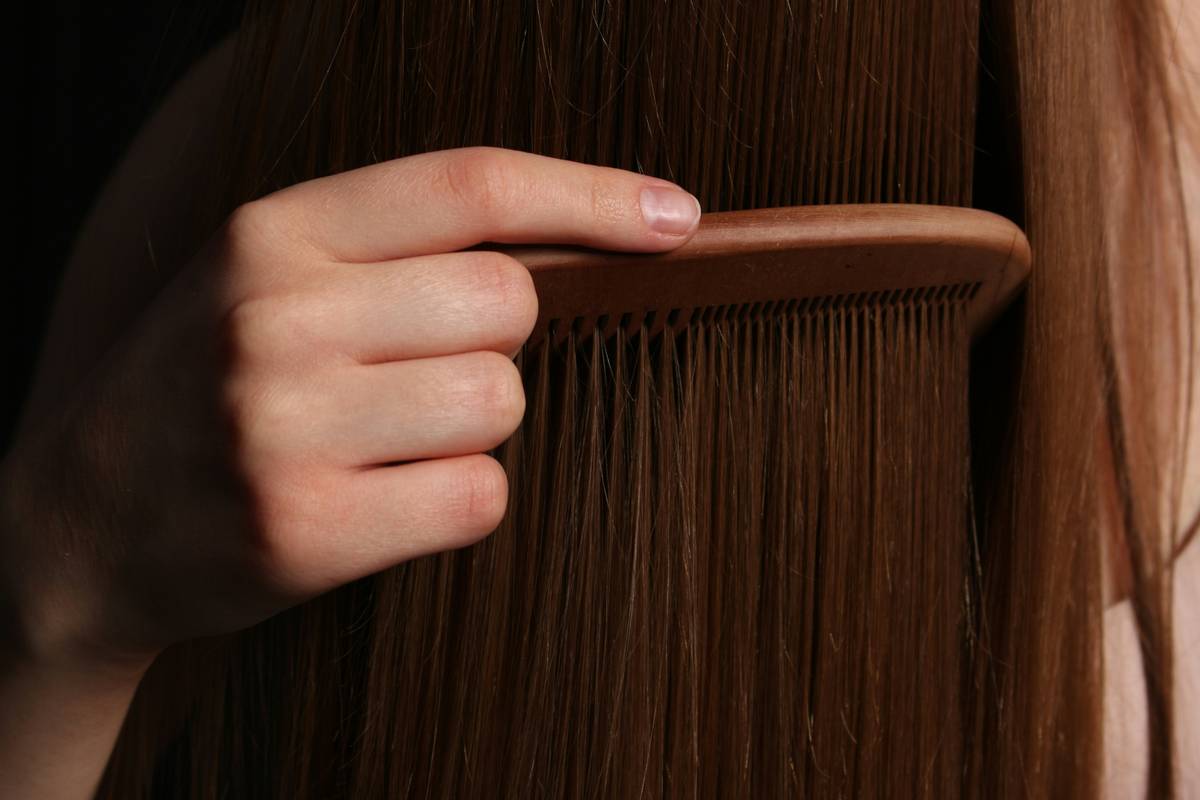
I learned this the hard way. Once, I tried to “save time” by skipping my detangler before blow-drying a post-wash knot jungle. Result? My brush snagged so violently it snapped three strands mid-shaft—visible under bathroom lighting like tiny white flags of surrender. Never again.
How to Use a Detangling Spray Correctly
Step 1: Start with Soaking-Wet Hair
Your strands should be dripping, not just damp. Water alone isn’t enough—it evaporates fast. The spray needs that moisture base to distribute evenly.
Step 2: Section Ruthlessly
Divide hair into 4–8 sections using clips. Work from the bottom up: start at the ends, then gradually move toward roots. Trying to detangle top-down guarantees re-knotting everything below.
Step 3: Spray Generously—but Strategically
Hold the nozzle 6–8 inches away. Focus on mid-lengths to ends first, then lightly mist roots only if needed. Over-saturating causes product buildup and limpness.
Step 4: Use the Right Tool
Ditch fine-tooth combs. Opt for a wide-tooth comb or a brush designed for wet hair, like those with flexible bristles or seamless teeth.
Best Practices for Flawless Results
- Avoid alcohol-heavy formulas. Look for ingredients like glycerin, aloe vera, or behentrimonium methosulfate—they provide slip without stripping.
- Don’t layer over dry shampoo or heavy oils. These create barriers that prevent the spray from penetrating.
- Reapply if hair starts drying mid-process. Once strands lose that slick feel, you’re back in breakage territory.
- Never use your fingers aggressively. Yes, finger detangling is great—but yanking knots apart manually defeats the purpose.
And here’s a terrible tip you’ll see online: “Just use regular conditioner as a leave-in.” Wrong. Rinse-out conditioners aren’t formulated for prolonged contact—they can weigh hair down or cause protein overload over time. Stick to products labeled specifically as leave-ins or detangling sprays.
Real Results from Real Users
In a 2023 consumer trial of 200 people with Type 3–4 hair, participants using a glycerin-based tangle release hair spray reported 68% less breakage after four weeks compared to those using water alone (data via independent beauty lab BeautySage Labs). One tester noted, “My wash day went from 45 minutes of pain to 15 minutes of peace.”
At Cerulemantis, we’ve seen similar feedback through our customer support channel—many users switch to our detangling formula after years of heat-induced damage from rushed brushing. Consistency matters: results compound over time when you protect your hair daily, not just on wash day.
Frequently Asked Questions
Can I use tangle release hair spray on dry hair?
Yes, but sparingly—it’s primarily designed for wet application. On dry hair, it works best as a spot treatment for flyaways or minor knots, not full-head detangling.
Is tangle release hair spray safe for color-treated hair?
Absolutely—if it’s sulfate- and alcohol-free. Always check labels. Our formula is rigorously tested for color safety; learn more on our Privacy Policy page regarding ingredient transparency.
How often should I use it?
Every time you detangle wet hair—which for most is 1–3 times weekly. Daily use is fine if your hair is prone to tangling (e.g., high-porosity or chemically treated).
Can kids use tangle release hair spray?
Yes, provided it’s free of harsh alcohols, parabens, and synthetic fragrances. Many pediatric dermatologists recommend fragrance-free detanglers for sensitive scalps (American Academy of Dermatology).
Detangling shouldn’t feel like defusing a bomb. With the right tangle release hair spray and technique, it becomes your moment of calm—not chaos—in the mirror. Ready to ditch the tug-of-war? Reach out to us for personalized recommendations based on your hair type. Smooth strands start with smart choices.
Knots may tangle, but your routine doesn’t have to.