Your hair feels dry, frizzy, and impossible to manage—again. You’ve tried every rinse-out conditioner, every “miracle” oil, yet your strands still look exhausted by 9 a.m. The problem isn’t your technique. It’s that most products vanish the second you step out of the shower. A true leave-in hair solution stays put—but 90% of what’s on shelves? They’re just diluted styling aids in disguise.
Why Your Current Routine Is Failing Miserably
Most people slap on a leave-in product like it’s sunscreen—once, then forget. But hair isn’t skin. Porosity, climate, and even water hardness dictate how—or if—a formula bonds. And here’s the kicker: many “leave-in conditioners” are packed with silicones that coat without nourishing. They mask damage temporarily, then build up until your hair suffocates. You’re not healing. You’re polishing rust.
Think about it. If your strands don’t absorb moisture *and* retain it through humidity shifts, wind, and heat styling, you’re just applying temporary glitter—not care.
How to Choose and Use a Real Leave-In Hair Solution
Step 1: Match Formula to Porosity
Low-porosity hair repels moisture. Go for lightweight, water-based solutions with humectants like glycerin or honey. High-porosity? Reach for creamy textures rich in ceramides and fatty alcohols—they seal gaps instantly.
Step 2: Apply on Damp, Not Soaking, Hair
Squeeze excess water first. Too much dilution = weak adhesion. Distribute evenly from mid-lengths to ends—scalp application invites buildup unless you’re treating specific dryness zones.
Step 3: Layer Strategically
Never layer heavy oils over a leave-in unless your hair is ultra-thick or coily. You’ll trap moisture—but also trap sweat, dust, and product residue. Simpler is stronger.
| Type | Best For | Active Ingredients | Avoid If… |
|---|---|---|---|
| Spray Mist | Fine, low-porosity hair | Aloe vera, panthenol, light proteins | You live in arid climates (can cause moisture evaporation) |
| Cream | Medium to thick, high-porosity strands | Shea butter, behentrimonium methosulfate, squalane | Your hair gets greasy easily |
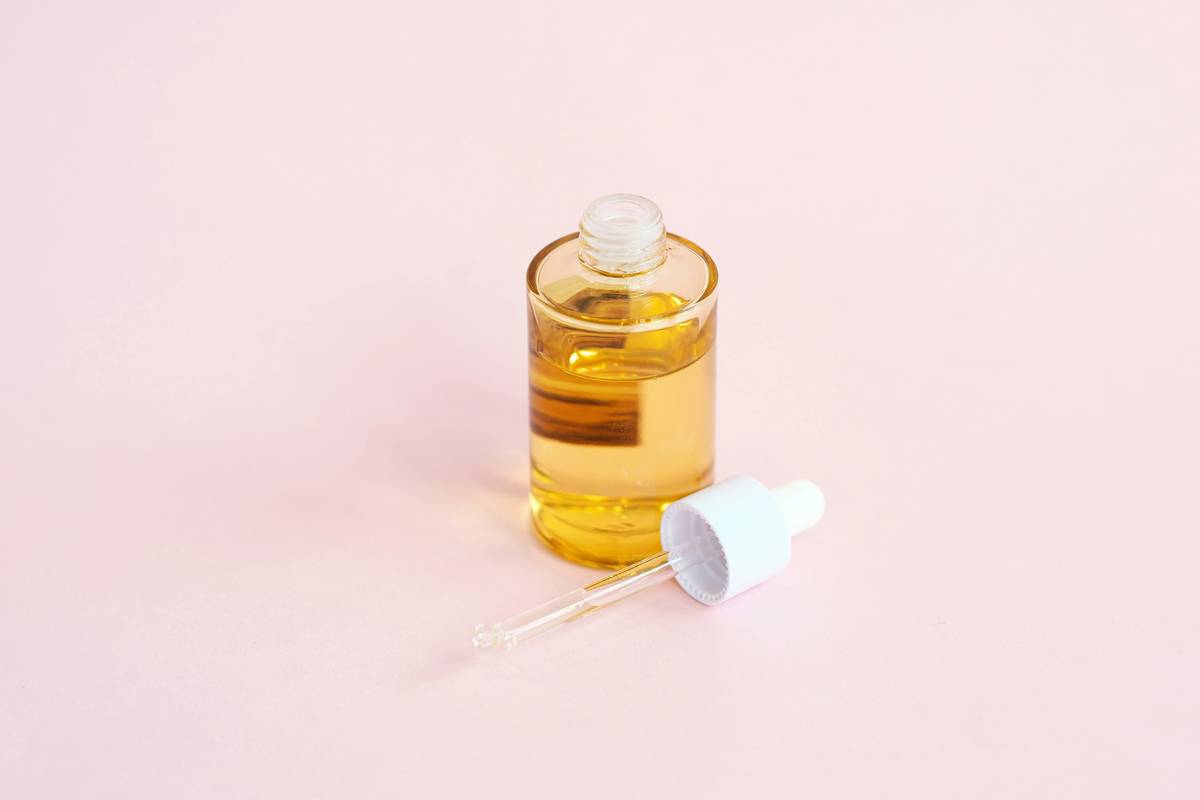
| Serum/Oil Blend | Coarse, curly, or color-treated hair | Argan oil, jojoba, hydrolyzed silk | You haven’t clarified in over 4 weeks (buildup risk) |
The Industry Secret No Brand Will Admit
Here’s what R&D labs won’t tell you: most leave-in formulas are designed for *visual performance*—instant shine, slip, and detangling—not long-term structural repair. The real magic happens when a product contains *cationic polymers that bond electrostatically to damaged sites*. But those cost 3x more than standard silicones. So brands cut corners, then market “hydration” while delivering optical illusion.
But—and this is critical—you can hack it. Look for ingredients like polyquaternium-7 or guar hydroxypropyltrimonium chloride. They’re not sexy on labels, but they’re the invisible glue holding moisture where it belongs. And they actually reduce breakage over time. The math is simple: if your hair snaps less after two weeks of consistent use, you’ve found the real deal.
Frequently Asked Questions
Can I use a leave-in hair solution daily?
Yes—if it’s lightweight and free of heavy waxes or non-soluble silicones. Daily use is safe for most water-based sprays or milks.
Does it replace regular conditioner?
No. Rinse-out conditioners cleanse and neutralize pH. Leave-ins are supplemental—think of them as daily moisturizer versus weekly deep treatment.
Will it weigh down fine hair?
Only if you use cream formulas or overapply. Fine hair thrives on mist-type leave-ins applied sparingly to ends only.